Bittersweet

Bittersweet

  1. Accepting that capitalism is truly compounding for human flourishing means we have to accept that income disparity compounds too
  2. Believing that humans can find meaning in an age of AI means accepting that intelligence and taste are not uniquely human features
  3. Loving Uber and Waymo means I have to accept that my old dad, a classic cab driver, is outcompeted

I have a British lad in my head going bit bittersweet, innit?” on all these things.

roon on analytical thinking

roon on analytical thinking

roon
roon
@tszzl

humans are really not built for first principles analytical thinking. even smart people find it incredibly exhausting. what we consider analysis is usually anxious panicking and avoiding something or the other. it is clear we are going to be massively outclassed in this soon

Link ↗︎

AKA. analytical thinking is the differentiator” is just as outdated as taste is the differentiator”

What I love about LLMs is that they do a bulk -> cut process of thinking naturally, they research and reason -- a lot -- and then cut down the logic chain. If I had the stamina, that’d be my modus operandi on every question.

Also, try out the best LLMs, people, pay for the 100 USD sub, they really are better.

hazn
hazn
@hazn_com

first of all, what you say AI will never be able to do it can do right now if you’d pay for the subscription dumbass

Link ↗︎

Aesthetics of 2026

Aesthetics of 2026

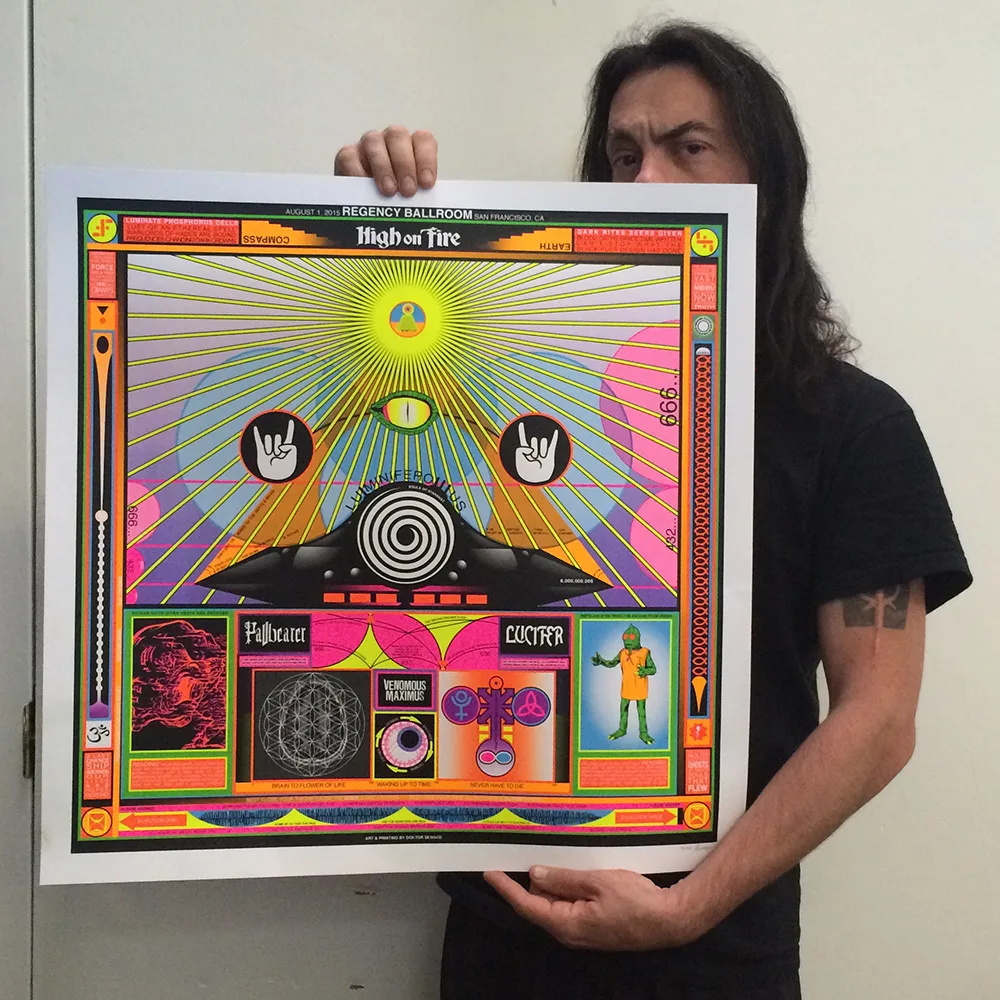
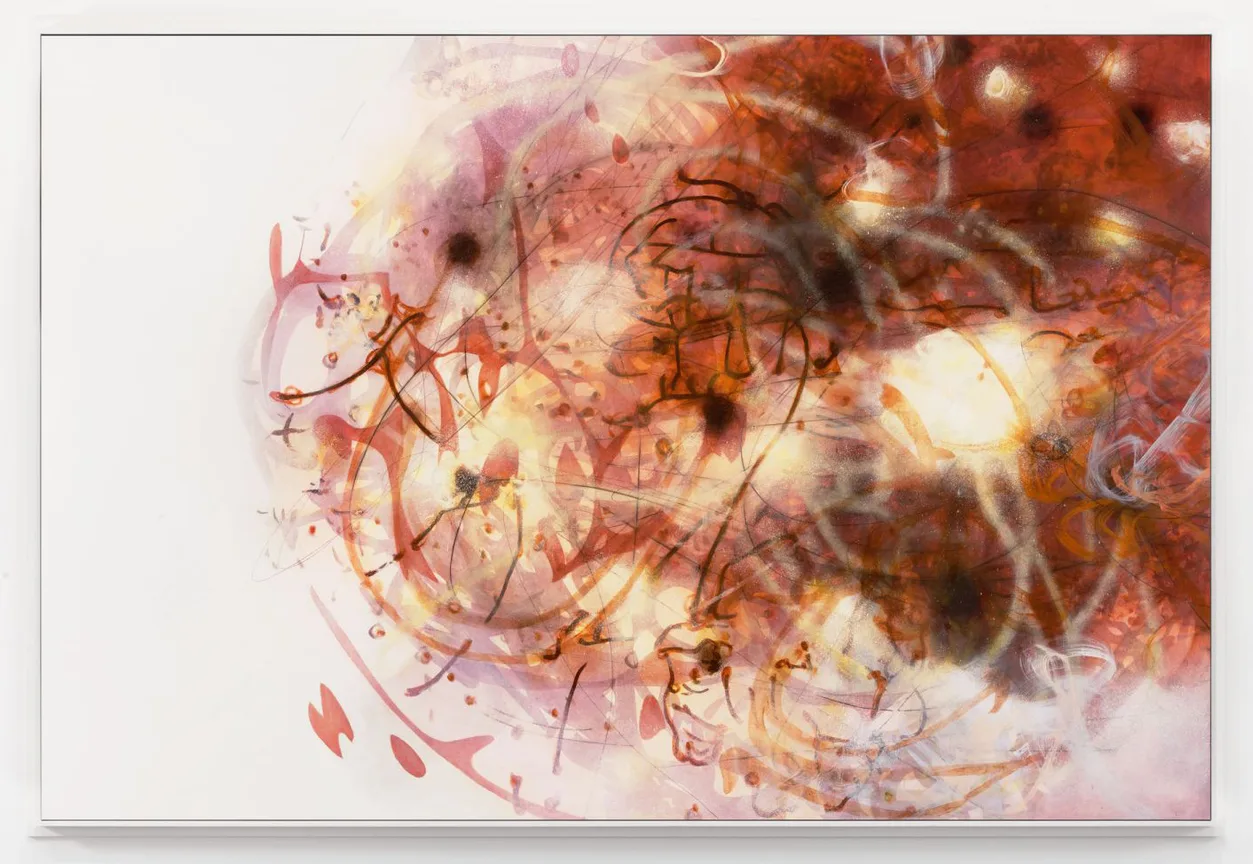
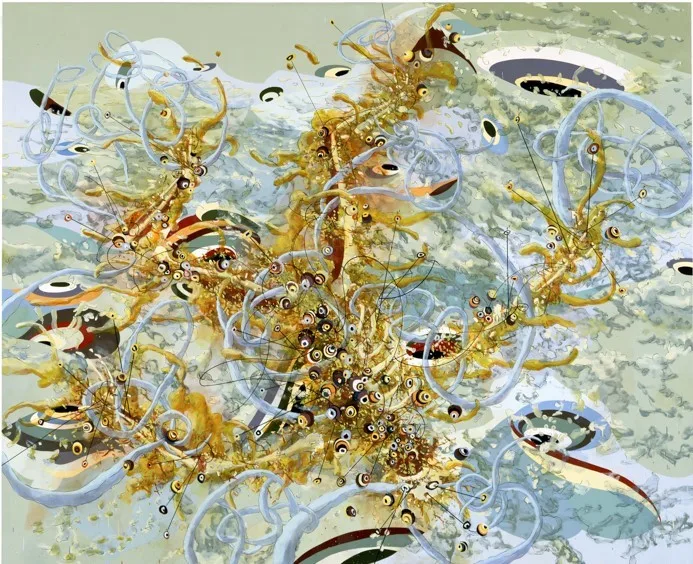
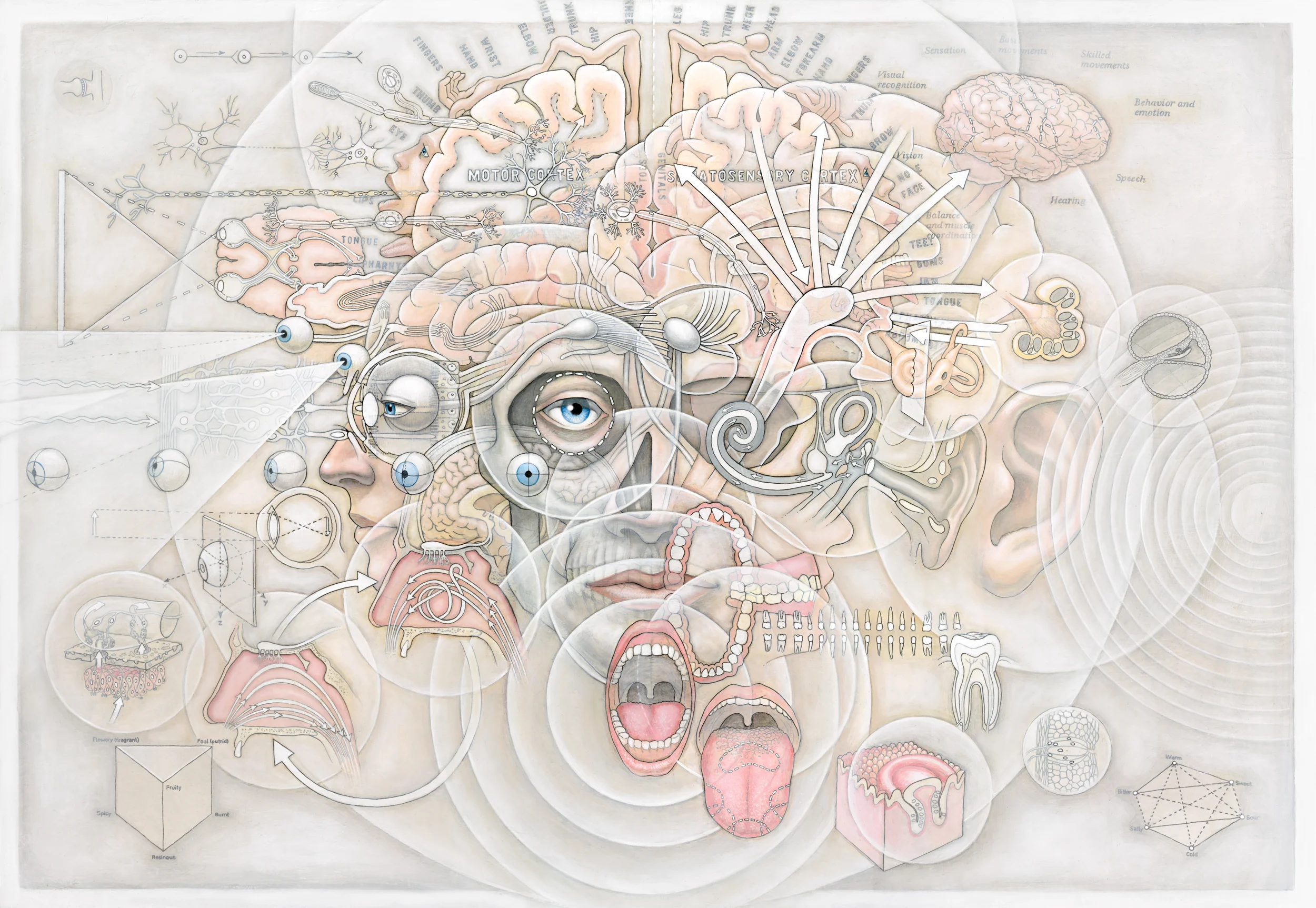
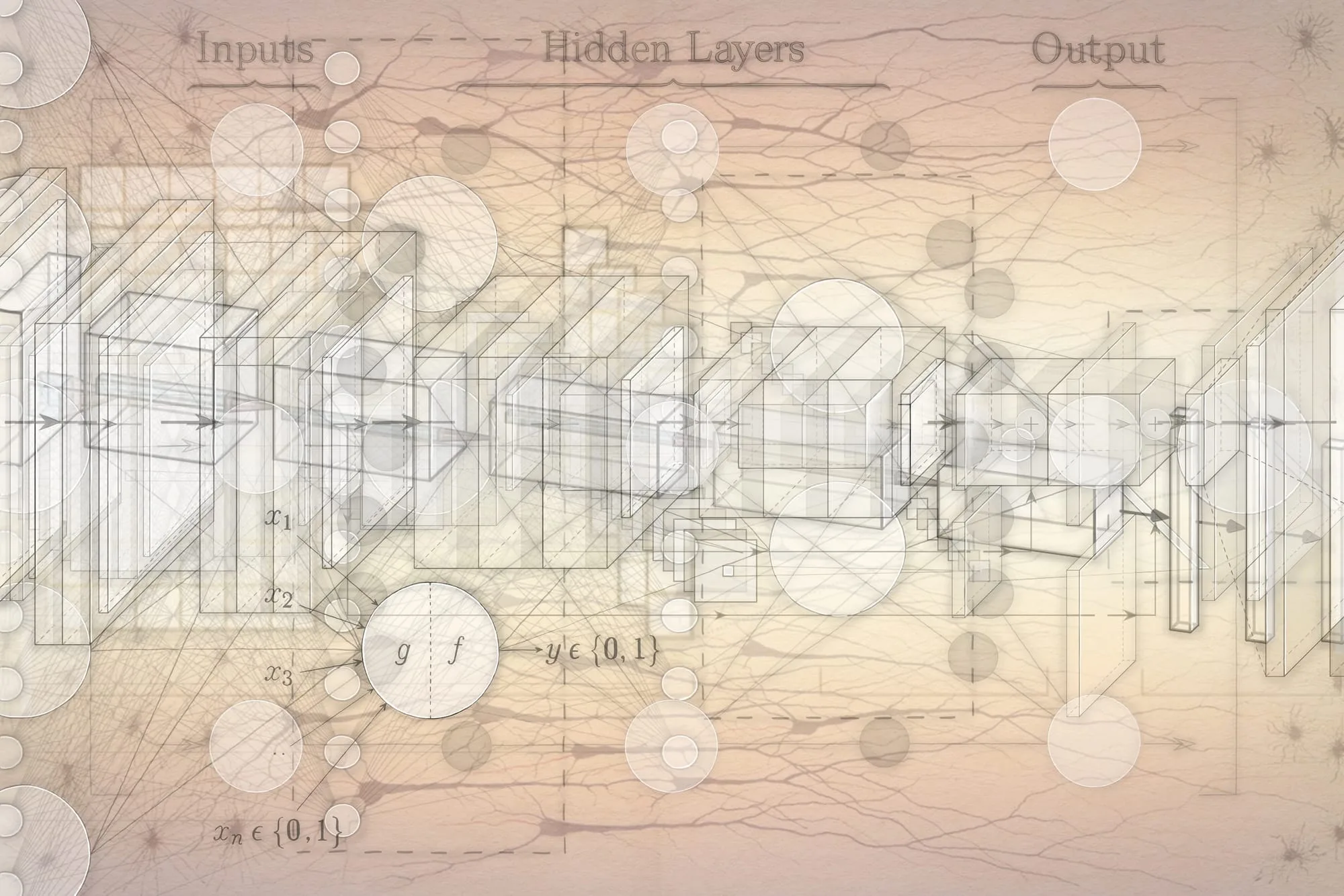
In Q2 2026, you should either max out being a specialist or max out being a messy/composer/glue layer (see messy jobs). Here is some inspo for messymaxxing.

Paul Laffoley

Neon diagram poster with an eye, pyramids, and dense symbols Paul Laffoley diagram with concentric circles and labeled panels Paul Laffoley's Xanatopia diagram with maps, cross-sections, and labeled panels

Matthew Ritchie

Matthew Ritchie wall drawing of tangled black lines and faint diagrams Matthew Ritchie red and orange abstract painting with translucent marks Matthew Ritchie painting with blue loops and gold branching marks

Casey Cripe

Casey Cripe's Human Sensorium diagram of the senses and brain Casey Cripe diagram labeled inputs, hidden layers, and output Casey Cripe virus diagram with a central anatomical figure and animal hosts

What I've been reading - 2026-06-12

What I've been reading - 2026-06-12

The Retroactive Redemption Pattern

The Retroactive Redemption Pattern

They really thought they were cookin’

Arguing against crackpots (and the fans they’ve gathered) is a losing battle, as losing is overdetermined. This post documents one reason why: The Retroactive Redemption Pattern.

I

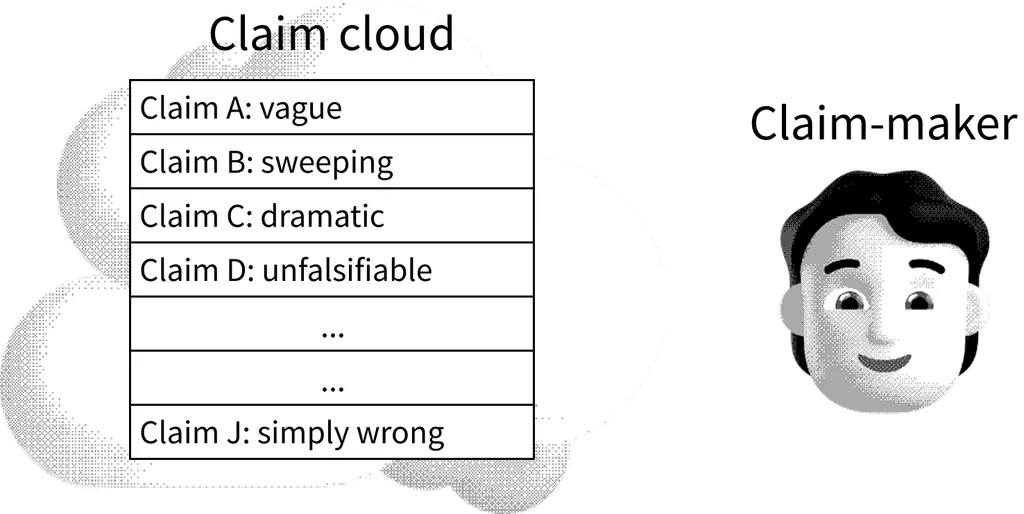
Any interesting and complex topic usually comes with a public person making a set of claims about it. We’ll call that set the claim cloud:

Diagram showing a claim cloud next to a smiling person. The cloud contains Claim A: vague, Claim B: sweeping, Claim C: dramatic, Claim D: unfalsifiable, two omitted rows, and Claim J: simply wrong

To be taken seriously, not every claim in the claim cloud has to be true. Being directionally right is hard enough on its own. But you see, the problem is this claim-maker is somewhat of a crackpot. Not because of the validity of their claims, but because of how the claims and the claim-maker’s relationship to them interact with the world. Let me introduce the element of time to illustrate this interaction:

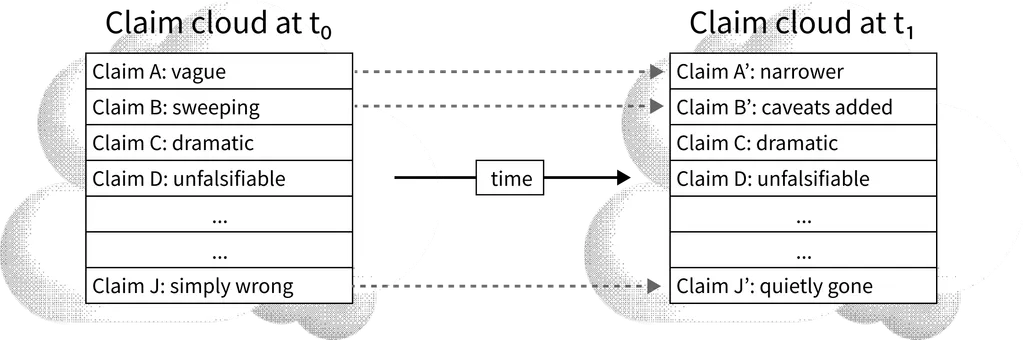
Diagram showing a claim cloud changing over time. On the left, the original cloud has Claim A: vague, Claim B: sweeping, Claim C: dramatic, Claim D: unfalsifiable, and Claim J: simply wrong. Dotted arrows labeled time point to a later cloud where Claim A becomes narrower, Claim B has caveats added, and Claim J is quietly gone

Over time, the original claims can become arguably more true, or arguably more wrong. Claims rarely stay static, especially because there are subtle forces at play here: elasticity and ego. The crackpot subtly or not so subtly makes changes to the original claims: they become narrower, wider, or more convoluted, depending on how the events in the real world pan out. Therefore, through the claim-maker’s ego and the elasticity of the wording, the claim cloud drifts from t0 to t1, toward whatever version looks most true in hindsight.

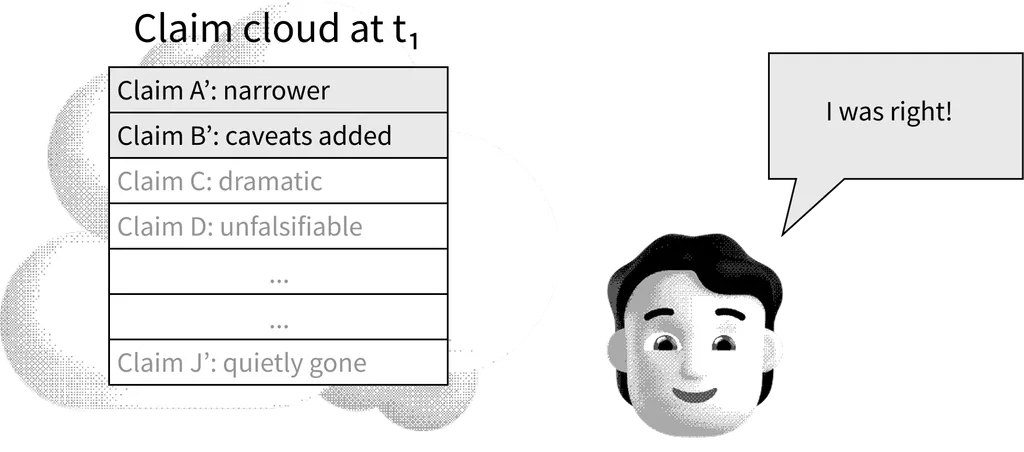
To be fair, one claim in the cloud may turn out prescient. Most of the cloud was still misleading in its original form. The pattern kicks in when that one true fragment gets used as retroactive redemption for the whole cloud.

Diagram showing the retroactively changed claim cloud beside the smiling person saying, I was right. The visible claims are Claim A': narrower and Claim B': caveats added, while Claim C: dramatic, Claim D: unfalsifiable, omitted claims, and Claim J': quietly gone are faded out

The original claim cloud evaporates and explodes at the same time. The one correct claim launders a whole cloud of bullshit.

The cleanest example of this pattern is the retroactive redemption of anti-vaxxers. Anti-vaxxers put out a whole cloud of claims: microchips in the shot with Bill Gates tracking you, armchair-expert biology like wild mRNA theories, and so on. Then the big claim that vaccines were the devil’s way of controlling your biology narrowed down to one defensible fragment: the shots could cause heart inflammation in young men. That turned out to have a real basis: rare cases, mostly in young males, usually mild and self-resolving (and generally lower risk than the myocarditis you’d get from COVID itself). Of course, now the anti-vaxxers ride the victory lap, as if they were right all along.

II

Likely reasons the pattern exists:

  • The obvious point: people don’t only want to be right, they want to have been right all along.
  • Status is involved as well. If the claim-maker is a public thought leader with fans, the audience starts defending the thought leader, not just the claim.
    • The argument gets hotter, because admitting you were wrong now means admitting it to yourself, to your opponent, and to the people who liked you for being right.
  • There’s research showing that we reconstruct our memories without noticing: your current knowledge, beliefs, and feelings quietly reshape your memory of what you used to think and say.
  • It’s just easier to elaborate and convolute why you were right than to accept you were wrong.
  • Knowing something other people don’t know is weirdly affirming for crackpots and conspiracy theorists alike.

Related

Performance mantras

Performance mantras

Most advice on performance will only help you to get better incrementally. Here are some mantras I think are undervalued for true breakthroughs 🧘.

Linear

performance
    ^
    |
    |                                                 *
    |                                            *
    |                                       *
    |                                  *
    |                             *
    |                        *
    |                   *
    |              *
    |         *
    |    *
    *-------------------------------------------------------->

There are three ways to go faster linearly: doing less in the same time, doing the same in less time, or splitting the work across people. Therefore, the obvious ways to increase performance are:

  1. doing fewer things
  2. doing each thing faster
  3. splitting the thing across workers

Think of a cashier. They can scan faster, or, seeing the same item six times, scan it once and key in a quantity of six. Cashier scans faster = increased performance through doing the thing faster. Cashier scans one item and enters quantity six = doing less work.

Now think of a classic team setting. If you are collaborating, do the blocking part first and send it out. They can work on their part while you work on something else. You split the work.

Mantras:

  • do less
  • do it faster
  • do it in parallel

Phase transition

performance
    ^                                          *
    |                                      *
    |                                  *
    |                                  *
    |                                  *
    |                                  *
    |                                  *
    |                                  *
    |                             *
    |                        *
    |                   *
    |              *
    |         *
    |    *
    *-------------------------------------------------------->

The best way I can describe phase transition is you become so good you gain a new capability”. Doing the thing so well that it opens up completely new levels of performance. This is my favorite zone, if you are super skilled you can get away with so MUCH.

As a personal example, I trust myself to come up with interesting talking and teaching points in real time, so I can prepare little for lectures I give, cutting my preparation time non-linearly. But my favorite example comes from sports: when an offensive player in football is devilishly fast, they gain the capability of outrunning the defense. Once that threshold is passed and that capability is gained, the player scores much more.

There’s also a slightly more system-y example. As alluded to in my bureaucracy post, there’s a narrow time window where you can act upon unbureaucratized opportunities, so if you are fast, you don’t have to go through bullshit process.

In network science you would call this passing of the threshold a phase transition, hence the name.

Mantras:

  • do it so well it feels unfair
  • do it at the exact right time

Exponential

performance
    ^
    |
    |            ⠀⠀⠀⠀⠀⢀⣀⣀⣀
    |            ⠀⠀⠀⠰⡿⠿⠛⠛⠻⠿⣷
    |         ⠀⠀⠀   ⠀⠀⠀⣀⣄⡀⠀⠀⠀⠀⢀⣀⣀⣤⣄⣀⡀
    |      ⠀⠀⠀⠀      ⠀⢸⣿⣿⣷⠀⠀⠀⠀⠛⠛⣿⣿⣿⡛⠿⠷
    |      ⠀⠀⠀      ⠀⠀⠘⠿⠿⠋⠀⠀⠀⠀⠀⠀⣿⣿⣿⠇
    |         ⠀⠀⠀⠀   ⠀⠀⠀⠀⠀⠀⠀⠀⠀⠀⠀⠈⠉⠁
    |
    |            ⠀⠀⠀⠀⣿⣷⣄⠀⢶⣶⣷⣶⣶⣤⣀
    |            ⠀⠀⠀⠀⣿⣿⣿⠀⠀⠀⠀⠀⠈⠙⠻⠗
    |      ⠀⠀      ⠀⣰⣿⣿⣿⠀⠀⠀⠀⢀⣀⣠⣤⣴⣶⡄
    |            ⠀⣠⣾⣿⣿⣿⣥⣶⣶⣿⣿⣿⣿⣿⠿⠿⠛⠃
    |            ⢰⣿⣿⣿⣿⣿⣿⣿⣿⣿⣿⣿⡄
    |            ⢸⣿⣿⣿⣿⣿⣿⣿⣿⣿⣿⣿⡁
    |            ⠈⢿⣿⣿⣿⣿⣿⣿⣿⣿⣿⣿⠁
    |      ⠀      ⠀⠛⢿⣿⣿⣿⣿⣿⣿⡿⠟
    |      ⠀⠀⠀      ⠀⠀⠉⠉⠉
    |
    *-------------------------------------------------------->

Here the diagrams break down, because you stop asking how to solve the problem faster. It’s trivial to graph exponential curves, but they’d miss the point. You get exponential gains by changing the thing instead of trying to speed up things. Question the problem at hand, why this thing is in this shape, and why this work needs to happen at all, and if it shouldn’t all be scratched and rethought.

Hard to talk about it, but psychologically you can achieve this by raising your ambition, using different time and task management systems, and being willing to throw away old things/thoughts of yours. Be meta-rational: work on different problems, delegate the rest, and get comfortable not doing things.

My exponential gain was quitting video games and that is the boring half of the story. The real move was the leftover energy: I pointed the same restless, nervous, slightly deranged ADHD engine at talking to AIs (plural) all day instead (with the explicit goal of producing an artifact at the end of the day, every day). Same horsepower, new direction.

Mantra:

  • do something else

Three things I believe

Three things I believe

strongly:

  • You don’t have to justify why it’s ethical to consume, if you won’t be changing your shopping habits anyway, same-day deliver stuff to your house guilt free.
  • We can get better at everything at once, we can be healthier, happier, wealthier, more spiritual -- there’s no reason to take it one by one, reality is compounding.
  • Related: accept the inevitable crashdown of your personality, optimize your recovery time, and you’ll come out stronger.

Line drawing of a person sitting cross-legged with flower-like shapes above their head.

Repeating the phrase "taste is the differentiator" will not benefit you

Repeating the phrase "taste is the differentiator" will not benefit you

Black and white MS Paint style meme showing a huge crowd of identical blank faces, all feeding thought bubbles into one large central bubble that says: “Taste is the differentiator.”

AI has a new fool’s trap each year.

In 2022, the critique was that it was just a glorified autocomplete. In 2023, that it hallucinated too much. In 2024 and 2025, that LLMs weren’t truly intelligent, just stochastic parrots. This year, the year of the Lord 2026, the fool’s trap is: AI lacks human judgment, taste is the differentiator”.

Don’t buy into this year’s fool’s trap. As Nadia Asparouhova wrote in The tyranny of ideas, Ideas ride us into battle like warhorses.” The people who repeated the previous critiques were tyrannized by their ideas of incompetent AI and rode to war with a foolish strategy.

In hindsight, it was cope. Some criticism was warranted, but it was cope nonetheless. Cope against accepting the ruthlessly inevitable forward march of this transformative technology.

As Tyler Cowen says, solve for the equilibrium! Don’t drag this year’s cope into your thinking. Even the most profound truth too cheaply repeated is LinkedIn-level insight.

The better question is: where does AI have better taste than me? Which areas should I completely delegate to AI, so far as to accept everything the AI does in those areas, even when it overrules my taste?

Just stop using these

Just stop using these

phrases that never achieve anything, ever

  • if everybody would just: If your solution to some problem relies on If everyone would just… then you do not have a solution. Everyone is not going to just. At not time in the history of the universe has everyone just, and they’re not going to start now.”1
  • can't you just: Belittling, either shows you disrespect the person or disrespect the problem they are dealing with, replace it with is ... possible?” or 100 other phrases
  • i just find it funny: The passive aggressive classic, I just find it funny how everyone hates hearing this phrase, but loves repeating it

Yes, you probably got it, these are all unjustified usages of just.


Footnotes:

  1. squareallworthy on Tumblr.

On snobbery

On snobbery

I’m a MacBook snob, I have declined attractive job offers because they only allowed Windows machines for work. That admitted, I am very afraid and cautious about becoming a snob in other arenas.

When it comes to coffee, I can enjoy third-wave, we-paid-5k-for-the-coffee-machine-and-grinder-each coffee, and I can also enjoy microwaved water infused with cheapo instant coffee. Same with music: I lovingly bop my head to the most mind-blowing live concert setups, then bop just as happily to a 360p YouTube recording of the same concert.

Arguably, I enjoy coffee and music more than the coffee and audio snobs do. Or more precisely, I have a wider range: snobs have fenced themselves into enjoying only the crème de la crème.

glass of instant coffee

instant coffee fukn slaps.

roon on historic times

roon on historic times

roon
roon
@tszzl

the thing about living through history is, they don’t prepare you for how cringe it’ll all be

Link ↗︎

Smoking is ass-backwards meditation

Smoking is ass-backwards meditation

meme: beginner spirituality is meditation, crystals, tarot, and astrology; advanced spirituality is a cigarette balanced on a cup of coffee

You take a hit, you focus on your breath, you let your mind run, the coffee tastes better, the cigarette burns up your throat in just the perfect way. With a heavy heart, I have to say, that the practice of smoking is close to the practice of mindfulness.

While the in-the-moment peak of smoking can reach unbelievable highs, especially combined with liquids, there’s a hole left in you once the cigarette is done. The craving for the next cigarette only increases. The wheel of samsara keeps spinning.

During the act, smoking and meditation have similar mechanics. In the long term though, smoking is destructive, while meditation is deconstructive.

Smoking is ass-backwards meditation.

Office zazen

Office zazen

Zen’s minimalist aesthetic is timeless.

Just the word itself is perfect, and everything surrounding the zen cosmos, like zen gardens and zazen posture, has this beautiful, all-encompassing void, black and white feel to it.

Just look at this diagram, ay:

diagram of classic zazen posture showing upright seated posture, semi-open eyes, abdominal breathing, and a 45-degree gaze

You know I love looking at a dot on my laptop screen. And you know I love making seemingly boring habits of mine fun and spiritual.

I couldn’t help myself to make even the staring-at-dot work habit of mine spiritual. During dotting, I try to think of nothing, or as Sasha Chapin puts it, practice nothing. And, through no effort of my own, I envision a frog zen monk with a stick behind me correcting my posture while I stare at dot.

diagram of office zazen posture showing upright desk posture, semi-open eyes, abdominal breathing, and a laptop dot at a 45-degree gaze

Jensen on loser mindset

Jensen on loser mindset

The premise that even if we competed in China, that we’re going to lose that market anyways… You’re not talking to somebody who woke up a loser. That loser attitude, that loser premise makes no sense to me.

~ Jensen Huang, Dwarkesh Podcast

Genuinely the most energized I felt in weeks hearing this. I adore the argumentation rhetoric of the rationality community and Western liberalism proper. Although sometimes the argumentation gets too technical, winning the clever small points while missing the big one. And sometimes it’s just too long.

Back in my childhood, in the gutters, you could just end arguments by telling people to grow up. Actually, we didn’t say grow up”, we said man up”. It’s stupid, but sometimes I wish I could go back to telling people to man up, to compete, and to stop whining. A return to tradition, if you will.

Cold hearts on heated floors

Cold hearts on heated floors

painting of a theologian, resting his head on his hand

Or: What do you do, spiritually, with a psychopath roommate?

Our culture assumes people can change. Be it therapy, moral appeals, punishment, we believe in personal growth and development. Psychopaths break every assumption and belief, we have no protocol for them.

Living with a dysfunctional roommate hurt me spiritually. I fished ungodly nasty stuff out of the kitchen sink regularly, had to clean on both weekend days to have some resemblance of an intact apartment. The one time a small piece of furniture broke off when I sat, I heard about it every single day.

No matter how much warmth and patience I provided, I was forever the perpetrator and she was forever the victim. No matter what I said, my own admitted character mistakes were the only relevant talking point. Arguing was wasted time, and that’s what hurt me most.

Was I not tactful, not wise enough? Before talking to her, I meditated for half an hour. Or are some souls truly unredeemable? I couldn’t look into her eyes anymore, I saw how her lies became her truth, how she rewrote reality.

And when it is said to them, Do not cause corruption on the earth,’ they say, We are but reformers.’ Unquestionably, it is they who are the corrupters, but they perceive not. And when it is said to them, Believe as the people have believed,’ they say, Should we believe as the foolish have believed?’ Unquestionably, it is they who are the foolish, but they know not.

~ Surah Al-Baqarah

On a society level, I don’t know what to do with psychopaths.

Some hearts are sealed. Not clouded, not in need of more warmth. Sealed.

God has set a seal upon their hearts and upon their hearing, and over their vision is a veil.

~ Surah Al-Baqarah

On a personal level, I now learned what to do with sealed people. Almost always, my answer is reciprocation, with physical and spiritual grace. In cases like her, the only smart move is not to play.

Move out. Close your mind. Seal your heart to them, like theirs is sealed. Some souls are unredeemable by you. There is no advice, no words, no key you will find.

Whenever you leave what hurts you, the gain has immediately begun

~ Turkish proverb